
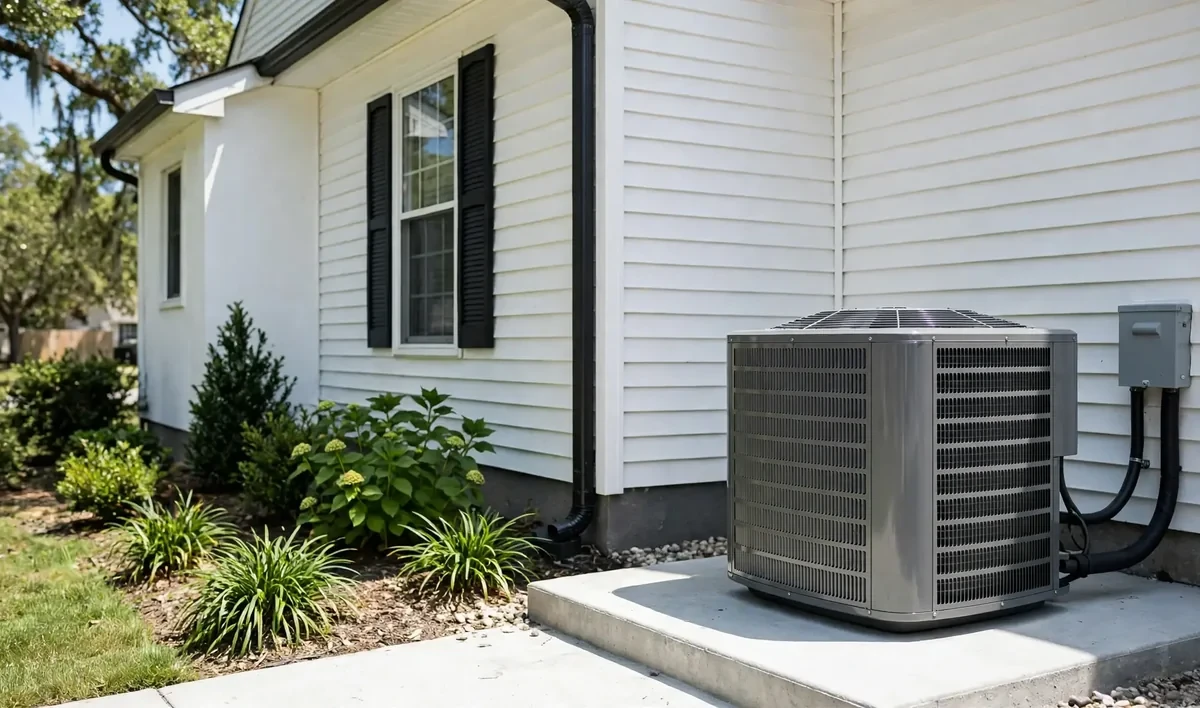
AC Installation in Montgomery, AL
Right size, right efficiency, permit handled. Get a written quote before any work starts.
- ✓21-point audit in full
- ✓Call direct, no forms to fill
- ✓Serving Montgomery, Prattville & Wetumpka
ANSWER FIRST
Do you need a new AC?
You need a new AC when repairs keep stacking up, the system cannot keep up on a 93-degree afternoon, or the repair price sits close to half the replacement price. The decision comes from your written quote, not from age alone. A capacitor is a single part, while a compressor or coil is a core part, and the two rules in the repair-or-replace section below work from that difference.
Montgomery cooling loads are heavy. Summer design conditions here are 93 degrees dry-bulb and 76 degrees wet-bulb, and the season runs from late May to mid-September with muggy air into early October. A new system has to handle both the heat and the humidity, so sizing and efficiency matter more here than in a dry climate.
SIZING
What size AC do I need?
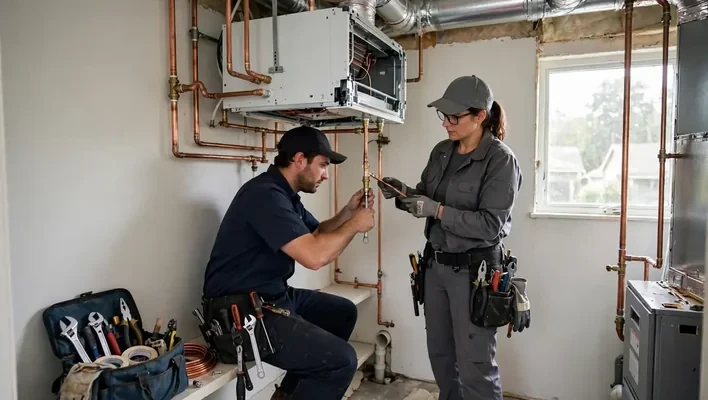
The size comes from an ACCA Manual J load calculation, room by room, for your house as it stands today. It measures heat gain through walls, windows, roof, and air leakage, and it uses Montgomery design temperatures: 93 degrees dry-bulb and 76 degrees wet-bulb in summer, and 27 degrees in winter. No fixed tons-per-square-foot rule gives the right answer, because two houses with the same floor area can gain heat very differently.
Cooling governs the load in Montgomery. The system is sized on the summer side, because the cooling load is the bigger one here, and the heating side follows. A system sized only on floor area, or copied from the old unit, can be wrong in either direction. The old unit may itself have been the wrong size.
Ask to see the load calculation with your quote, with the design temperatures and the room-by-room loads listed.
OVERSIZING
Will a bigger AC cool my house better?
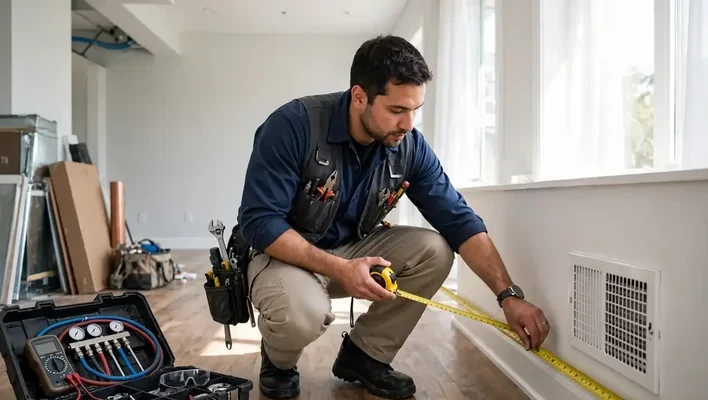
No. An air conditioner does two jobs at once: it lowers the air temperature, and it pulls moisture out of the air. A bigger unit does the first job fast, so the thermostat is satisfied and the system switches off within a few minutes, before the coil has run long enough to dry the air. The result is a house that feels cold but clammy.
That short on-and-off pattern is called short cycling. It leaves rooms uneven, wears the compressor with repeated starts, and never fixes the humidity. In Montgomery, where summer humidity runs near 70 to 83 percent, the latent load, the moisture in the air, is the bigger part of the comfort problem. Cooling the air without drying it is only half the job.
The fix is a right-sized system that runs in long, steady cycles, giving the coil time to dry the air and move conditioned air to the far rooms.
SEER2
What is SEER2, and what is the minimum in Alabama?
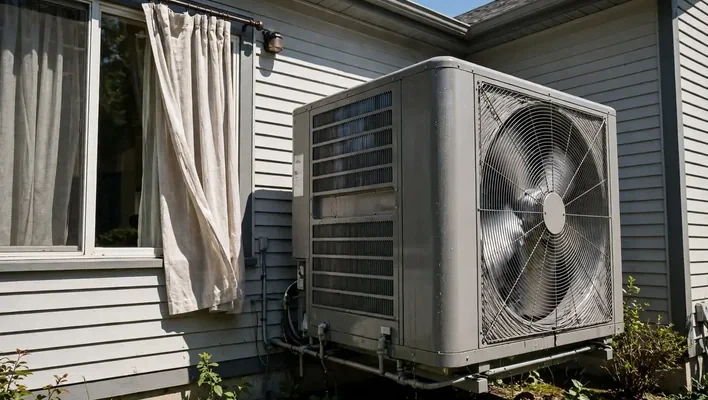
SEER2 is the seasonal efficiency rating for cooling, measured under the current test procedure. A higher SEER2 means the system uses less electricity for the same cooling over a season. It is a rating, not a promise about your bill, because ductwork, sizing, and how you run the system all change the result.
Alabama sits in the Southeast region for split-system air conditioners. The minimum depends on the system type and size, so a single number does not cover every install. The table below gives the full picture for the systems Montgomery homes usually buy.
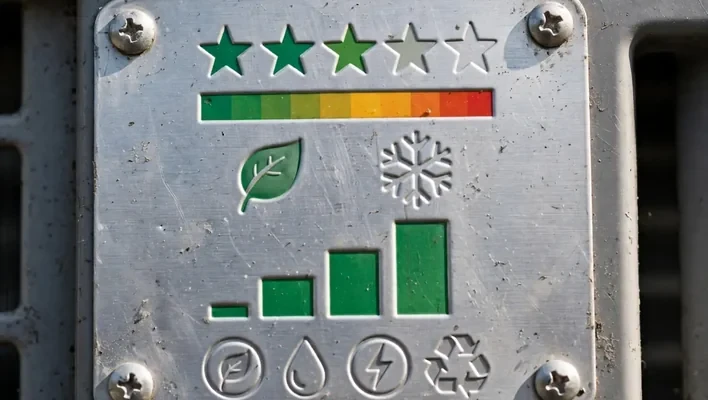
| System type | Minimum SEER2 | Notes |
|---|---|---|
| Split-system AC, under 45,000 Btu/h, Southeast region | 14.3 SEER2 | The common Montgomery install: a split AC with a separate indoor coil and outdoor unit |
| Split-system AC, 45,000 Btu/h and above, Southeast region | 13.8 SEER2 | Larger split systems carry a lower minimum |
| Split-system heat pump, national | 14.3 SEER2 and 7.5 HSPF2 | Heat pumps carry both a cooling rating and a heating rating |
| Single-package heat pump, national | 13.4 SEER2 and 6.7 HSPF2 | One cabinet holding the whole system, common where space is tight |
Do not judge a quote by SEER2 alone. A high SEER2 on a wrongly sized system still short cycles, and a right-sized system with sound ductwork beats a bigger number on a poor install. Ask what the rating means for your house, with your ductwork and your load calculation, not in general.
QUOTE
What should a good quote include?
A good quote is a written price before work starts, and it names everything the job includes. Ask for the equipment make and model, the size from the load calculation, the SEER2 rating, the line set, the pad or stand, the electrical work, the permit, and removal of the old system. Each item should be named, not folded into one line.
The quote should also name the refrigerant, R-32 or R-454B for a new system, and the thermostat that comes with it. If ductwork changes are needed, they belong on the quote too, with the reason given in plain words. A quote that leaves the permit out, or the old-system removal out, is not complete.
Compare quotes on the same list. Two quotes for different sizes or ratings are not the same job. Our page on AC repair in Montgomery explains how the repair price and the replacement price sit side by side.

INSTALL DAY
What happens on install day?
Protect and Remove
The work area is protected, the old system is disconnected, and the refrigerant is recovered by the technician. The old unit is removed from the house.
Set and Connect
The new indoor coil and outdoor unit are set in place, the line set is run and connected, the drain is connected, and the electrical work is finished.
Charge and Test
The system is pressure tested, evacuated, and charged with refrigerant. The technician runs the system and checks airflow, temperature split, and the drain.
Walkthrough
The technician walks you through the thermostat, the filter location, and what to watch for in the first days. The written price agreed before work is the price that stands.
Most standard installs finish in a single day. Homes that need ductwork changes, electrical upgrades, or venting changes can take longer, and the quote should say so before work starts. No time guarantee belongs on a quote, because the house decides how long the job takes.
At the end of the day the system should run a full cooling cycle with cold air at the vents and water draining away. If not, say so before the technician leaves.
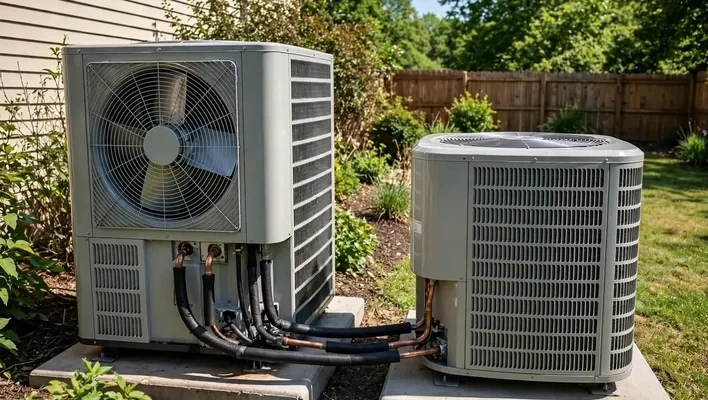
Before and after: AC installation in Montgomery
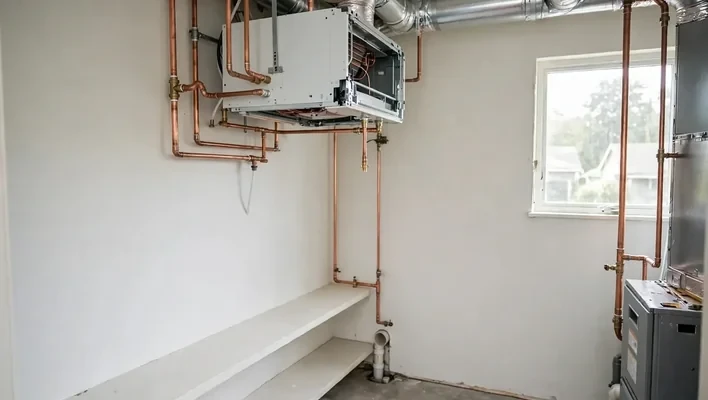 BeforeAfter
illustrative examples only
REFRIGERANT
Which refrigerant will my new AC use?
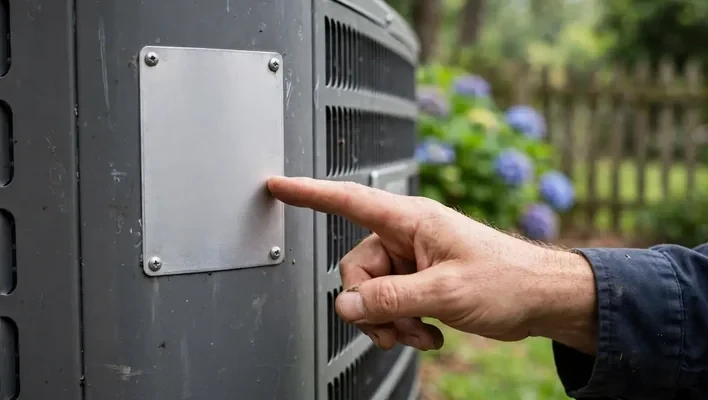
New systems use R-32 or R-454B. Both are the current refrigerants for new equipment, and neither can be added to an older R-410A system. The refrigerant is printed on the nameplate of the outdoor unit, so the nameplate tells you what your system takes.
Older systems still run on what they were built for. R-22 systems run on reclaimed supply, because production and import of R-22 ended on 1 January 2020. R-410A systems can keep running and be serviced, and no rule requires replacing a working R-410A system. A working system does not need replacing because the refrigerant changed.
Refrigerant is never handled by a homeowner. Charging, leak checks, and recovery are technician-only work under EPA Section 608, and a sealed system that is low on refrigerant has a leak that needs finding, not just topping up.
PERMIT
Do I need a permit to replace my AC in Montgomery?
Yes, a replacement needs a mechanical permit from the City of Montgomery Inspection Department, at 25 Washington Ave, phone 334-625-2073. The installer pulls the permit, and the work follows the 2024 International Mechanical Code. The permit covers the equipment change, and an inspection follows the install.
The published fee schedule, as of 10/31/24, starts with a base fee of $50. An air conditioning system up to 3 tons adds $10, over 3 to 5 tons adds $15, and over 5 to 10 tons adds $18. Heating coils are $3 each, thru-wall units are $7 each, and duct work carries no charge. The first re-inspection is free, the second costs $25, and the third and later cost $50 each.
Ask for the permit on your quote. A quote that names the permit, and the inspection that follows it, is a complete quote.

READY
What to have ready when you call
Have these five details handy when you call.
- Current system: brand, age, and size if you know it, plus the refrigerant type from the nameplate.
- Rooms that never cool: which rooms lag behind, and whether the house feels cold but clammy.
- Ductwork: any rooms with weak airflow, and whether the ducts run through a hot attic.
- Electrical panel: whether there is spare capacity, and whether the breaker has tripped before.
- What you want priced: repair and replacement side by side, so the two rules work from real figures.
QUESTIONS
What do Montgomery homeowners ask about AC installation: size, SEER2, and cost?
It depends on the size from the load calculation, the SEER2 rating, the ductwork, the electrical work, and the permit. A bigger home, a higher rating, or ductwork changes all move the figure. Ask for a written quote that names each item, so two quotes can be compared on the same list.
The size comes from an ACCA Manual J load calculation, room by room, using Montgomery design temperatures of 93 degrees dry-bulb and 76 degrees wet-bulb in summer and 27 degrees in winter. No fixed tons-per-square-foot rule gives the right answer. Ask to see the calculation with your quote.
Most standard installs finish in a single day, from removal of the old system to testing the new one. Homes that need ductwork changes, electrical upgrades, or venting changes can take longer. The quote should say so before work starts. No time guarantee belongs on a quote.
SEER2 is the seasonal cooling efficiency rating under the current test procedure. Alabama sits in the Southeast region, where a split-system AC under 45,000 Btu/h must meet 14.3 SEER2, and larger split systems 13.8 SEER2. Split heat pumps must meet 14.3 SEER2 and 7.5 HSPF2.
No. A bigger unit cools the air fast and switches off before the coil has dried the air, so the house feels cold but clammy. That short on-and-off pattern is called short cycling, and it leaves rooms uneven and wears the compressor. A right-sized unit runs in long, steady cycles.
Removal should be named on the quote. The old system is disconnected, the refrigerant is recovered by the technician, and the unit is taken away. Ask for removal in writing before work starts, so the quote you compare with others covers the same work.
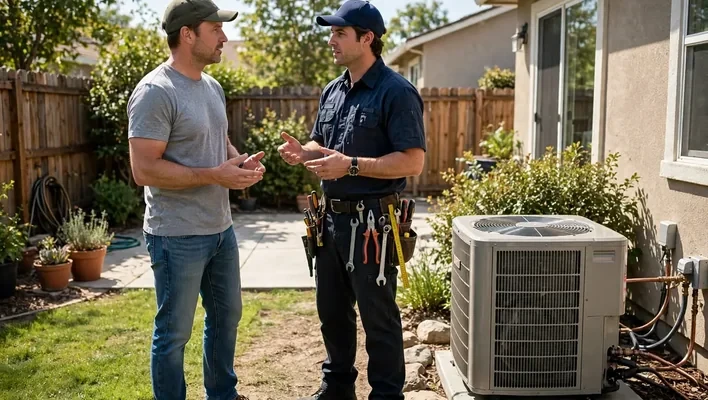
CALL NOW
New AC in Montgomery: size, SEER2, and permit, all on one written quote
New AC Quote? Call With Your Load Calculation
We size from a room-by-room load calculation, name the SEER2 rating, and pull the permit. The price comes in writing before any work starts.
Repair or Replace? Work It From Your Written Quote
On our page about AC repair in Montgomery, the two rules, age times repair cost against $5,000, and repair cost against half the replacement cost, worked from real figures.
Homeowners describe this job in different words: AC installation Montgomery AL and AC replacement Montgomery AL all mean the same sized quote, with the same written price before work.
Not sure the AC is the problem? Start with a repair visit, and let the written quote decide whether repair or replacement is the smarter move.
- Warm air instead of cold? Our guide to warm air from your AC works through the three causes in order: filter, coil, refrigerant.
- A finished install is on our projects page, before and after.
- The same install process and written-price rule apply in Prattville homes and Wetumpka homes, one rule for three cities.
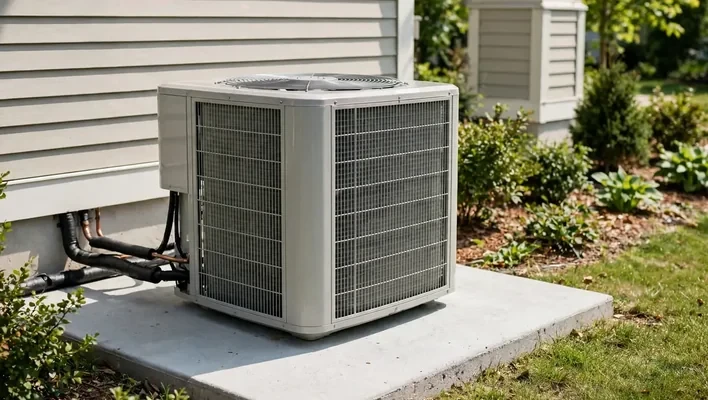
Find us
AC installation in Montgomery: our Prattville base
Our base is at 714 E Main St, Prattville, just off I-65 from Montgomery. Call (334) 555-0142 for a written quote, and the technician comes to you, with the same written price before work.
- Areas served: Montgomery, Prattville and Wetumpka, with the same visit process in each city.
- What to have ready: the symptom, when it started, and the system brand and age if you know it.
- How the visit works: the technician comes to your home. This address is the base the visit starts from.
Cloverdale HVAC 714 E Main St, Prattville, Alabama 36067, USA (334) 555-0142