
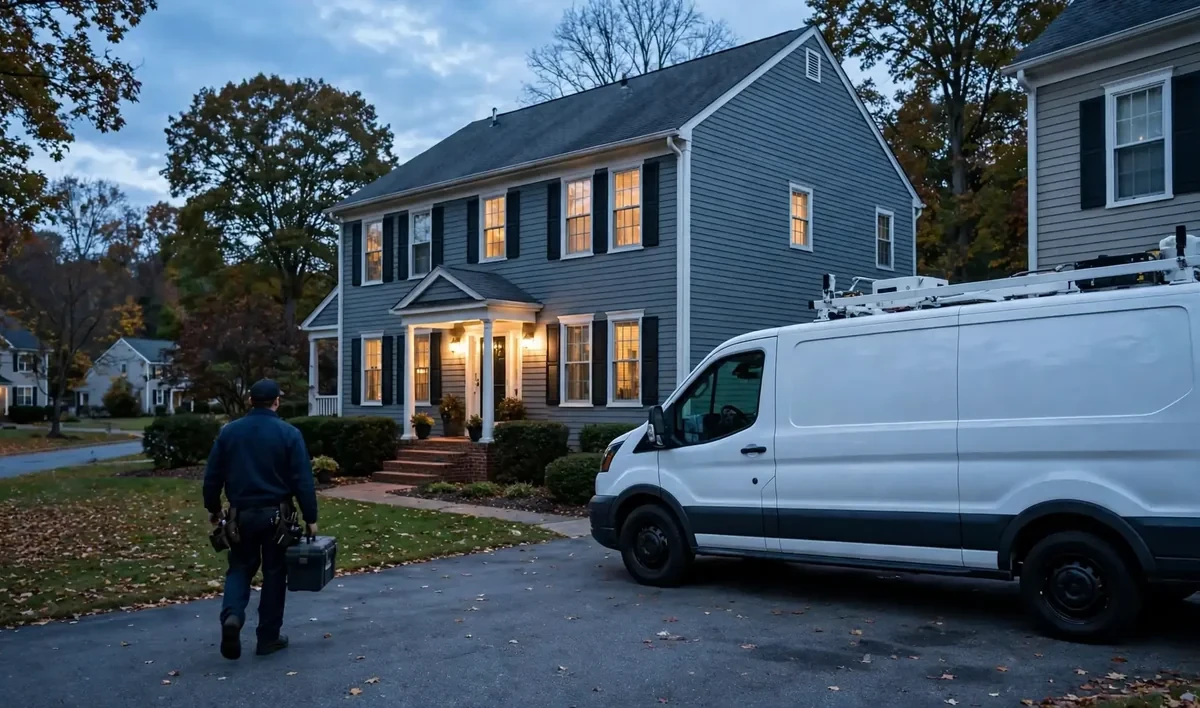
Emergency HVAC Repair in Montgomery, AL
Safety first, then call. If you smell gas, leave the house. If the system is safe, here is how to tell an emergency from a morning job.
- ✓21-point audit in full
- ✓Call direct, no forms to fill
- ✓Serving Montgomery, Prattville & Wetumpka
SAFETY FIRST
Read this first: gas smell, burning smell, and water
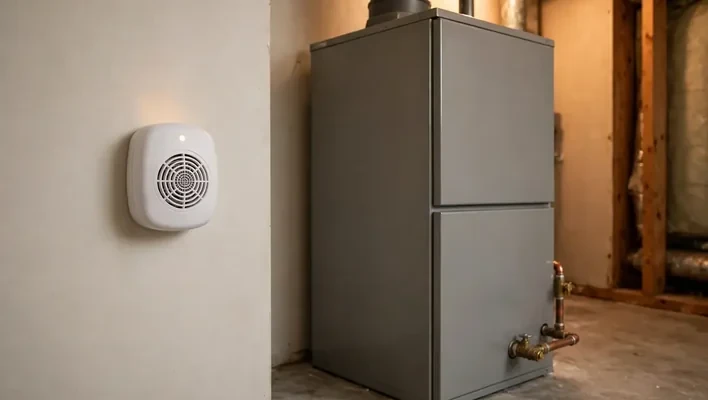
If you smell gas, leave the house now. Do not switch anything on or off, do not light anything, and do not stay inside to look for the source. Call the gas utility, Spire, at 800-292-4008, or emergency services, from outside the house. The technician comes after the gas is safe, not before.
If a carbon monoxide detector alarms, leave the house and call emergency services from outside. Carbon monoxide is colourless and odourless, and a detector alarm means the house is not safe to stay in. Do not reset the detector and go back inside, and do not open the furnace to look for the cause.
If you smell burning, or see smoke from the equipment, turn the system off at the thermostat and at the breaker if you can reach it safely, then call. Do not open the furnace or the air handler. Electrical and gas work inside the equipment is technician-only.
If water is leaking from the air handler, turn the system off and contain the water if you can do so safely. A leaking drain can soak a ceiling or a floor fast, and the first step is to stop the system making more water. Do not open the air handler to reach the drain. The visit covers the drain, the float switch, and the pan.
TRIAGE
Is my problem an emergency, or can it wait until morning?
An emergency is a problem that is unsafe, or that leaves a vulnerable person without heating or cooling in dangerous weather. Everything else can usually wait until morning, and waiting is the right call when the house is safe and the temperature is bearable.
| Situation | Emergency? | What to do |
|---|---|---|
| Gas smell, or a carbon monoxide alarm | Yes, leave the house | Leave, then call Spire at 800-292-4008 or 911 from outside |
| Burning smell or smoke from the equipment | Yes | Turn the system off at the thermostat and breaker if safe, then call |
| No cooling in 94 degree heat, with an infant, an elderly person, or someone ill at home | Yes | Call now, move the person to the coolest room, and offer water |
| No heat on a freezing night, with a vulnerable person at home | Yes | Call now, and keep the person warm with blankets while you wait |
| Water leaking from the air handler | Yes | Turn the system off, contain the water, then call |
| AC not cooling, but the house is safe and bearable | Can wait until morning | Run the safe checks below, then call in the morning |
| Thermostat blank, system quiet, no smell, no water | Can wait until morning | Check the breaker and batteries, then call in the morning |
Montgomery weather sets the stakes. Summer days reach 94 degrees, and winter nights can fall to 14 to 18 degrees in a cold snap. Age and health decide whether the wait is safe, so the triage question is always who is in the house, not just what the equipment is doing.
SAFE CHECKS
What can I safely check before I call?
These checks are safe for a homeowner, and they stop at the point where the work becomes a technician job. Do them in order, and stop as soon as something looks wrong.
- Thermostat: check the mode is on Cool in summer or Heat in winter, the set temperature is below the room temperature for cooling, and the display is lit. Change the batteries if it takes them.
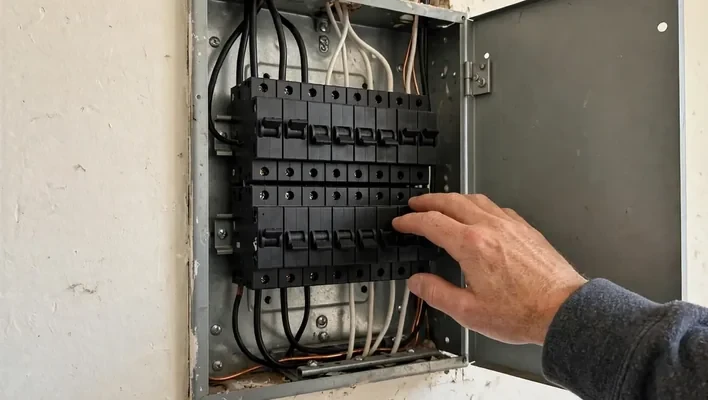
- Breaker: check the breaker for the furnace or air handler, and the breaker for the outdoor unit. If one has tripped, reset it once. If it trips again at once, leave it off and call.
- Filter: check whether the filter is clogged. A blocked filter can stop airflow and freeze a coil.
- Outdoor disconnect: after a summer storm, check the disconnect switch by the outdoor unit. Storms and power cuts can trip it. Alabama Power outage checks are on 1-800-888-2726.
- Frozen coil: if you see ice on the indoor coil or the refrigerant lines, turn the cooling off and set the fan to On, so the ice can thaw. Never chip ice off a coil. The visit finds why it froze.
Stop here. Do not open the furnace, the air handler, or the outdoor unit. Do not touch refrigerant lines, gas connections, or wiring. Refrigerant work is technician-only, gas work is technician-only, and electrical work inside the equipment is technician-only. The safe checks above are the homeowner part, and everything past them is the visit.
WHILE YOU WAIT
What should I do while I wait?
Keep the house safe and the people in it comfortable. In summer heat, move everyone to the coolest room, close the blinds on the sunny side, and offer water. In a cold snap, keep everyone in one room with blankets. Do not run a gas oven for heat, and do not bring a generator or a grill indoors.
Do not keep resetting a tripped breaker, and do not keep restarting a system that stopped with a burning smell. A system that stopped for a reason will not fix itself by being restarted. Leave the system off, and note what happened: what you heard, what you smelled, when it stopped, and what you already checked.
If water is leaking, protect the floor and the ceiling below the air handler with towels and a bucket, and turn the system off. If the leak is heavy, turn off the water supply to the humidifier or the equipment if you can reach it safely. Do not climb into the attic to reach a leaking drain.
THE VISIT
What happens on an emergency visit?
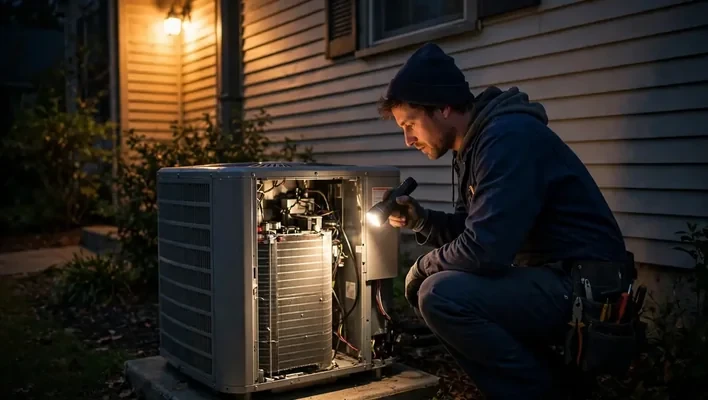
The visit starts with safety and the symptom, not with parts. The technician checks the system is safe to run, reads the note of what happened, and then runs the diagnostic sequence: thermostat, power, filter, airflow, and the part that failed.
The visit can fix the fault, or make the system safe and say what the full fix needs. Some faults need a part that is not carried on the truck, and the visit says so plainly, with the system left safe and the next step named. A written price comes before work starts, even at night.
After the visit, the system is tested in the mode that failed, and the controls are set for the house. If the fault points at repair or replacement, the visit says so, and our page on AC repair in Montgomery covers that decision in full. The HVAC maintenance plan keeps the safety controls tested on a regular schedule.
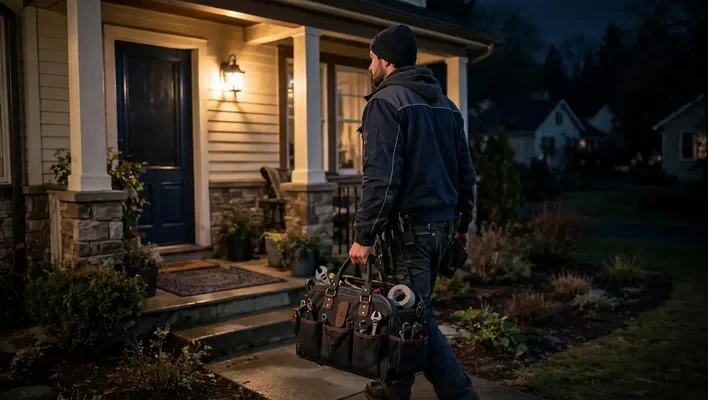
Before and after: emergency HVAC repair in Montgomery
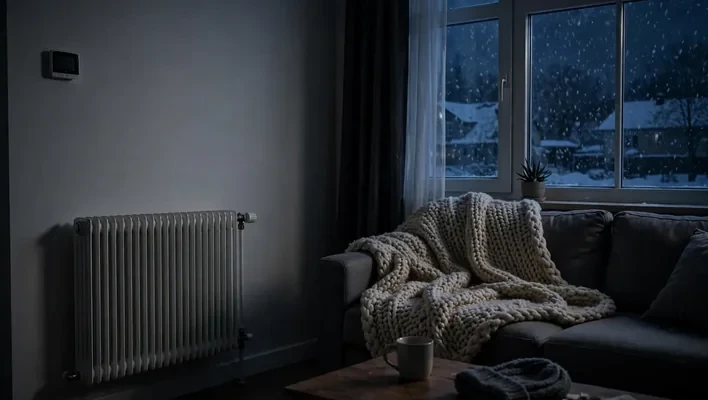
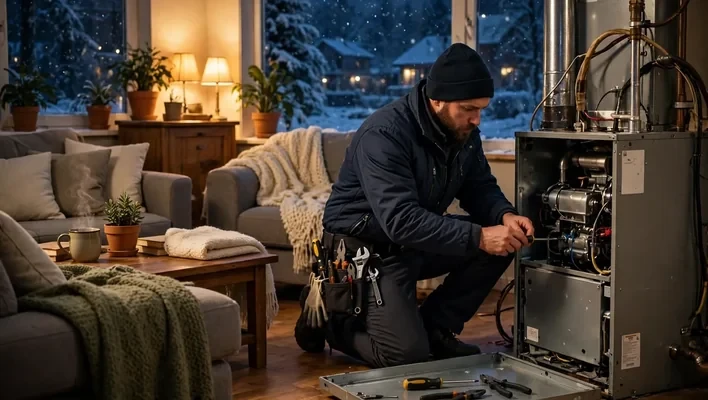 BeforeAfter
illustrative examples only
What to have ready when you call
Tell us what happened and who is in the house. The triage starts from the people, not the equipment.
- What happened, and when it stopped: the sound, the smell, and the time
- What you already checked: thermostat, breaker, filter, outdoor disconnect
- Who is in the house, and whether anyone is vulnerable to heat or cold
- The system brand and age, if you know it
- Whether there is water leaking, and where it is coming from
Have these notes by the phone. The call goes faster, and the technician arrives knowing what to look for.
QUESTIONS
What do Montgomery homeowners ask about HVAC emergencies?
A problem that is unsafe, or that leaves a vulnerable person without heating or cooling in dangerous weather. Gas smell, a carbon monoxide alarm, a burning smell, a water leak, no cooling in 94 degree heat with someone vulnerable at home, and no heat on a freezing night.
The same test applies: safety first, then people. A fault that risks harm, or that leaves an infant, an elderly person, or someone ill without heating or cooling in extreme weather, qualifies. A system that stopped while the house is safe and bearable can usually wait until morning.
Leave the house at once. Do not switch anything on or off, and do not stay inside to look for the source. Call the gas utility, Spire, at 800-292-4008, or emergency services, from outside the house. The technician comes after the gas is safe.
Check the thermostat mode and batteries, the breaker for the indoor and outdoor units, the filter, and the outdoor disconnect after a storm. Reset a tripped breaker once only. If ice is on the coil, turn cooling off and set the fan to On, and never chip ice off a coil.
The visit follows the same written-price rule as a daytime visit: the price is written before work starts, with the diagnosis and the repair named as separate lines. What changes the price is the fault, the part, and the work needed, not the hour. No figure is given here, because the visit decides the scope.
CALL NOW
Emergency now? Safety first, then call
Emergency? Safety First, Then Call
If you smell gas, leave the house and call Spire at 800-292-4008 from outside. If the system is safe, call us and describe what happened, what you checked, and who is in the house. The triage starts from the people.
Not an Emergency? Book a Daytime Repair Instead
Read our page on AC repair in Montgomery: symptoms, safe checks, and the repair-or-replace decision, for a fault that can wait until morning.
After the visit, keep the safety controls tested on a regular schedule.
- The HVAC maintenance plan includes the full 21-point audit, with safety controls tested every visit.
- Prattville and Wetumpka homes get the same visit process and written-price rule. See the areas we serve around Montgomery or contact us.
Find us
Emergency HVAC repair in Montgomery: our Prattville base
Our base is at 714 E Main St in Prattville, a short drive up I-65 from Montgomery. Call (334) 555-0142, describe what happened and who is in the house, and the technician comes to you.
- Areas served: Montgomery, Prattville and Wetumpka, with the same visit process in each city.
- What to have ready: the symptom, when it started, and the system brand and age if you know it.
- How the visit works: the technician comes to your home. This address is the base the visit starts from.
Cloverdale HVAC 714 E Main St, Prattville, Alabama 36067, USA